Edition bindings

The Deluxe Edition
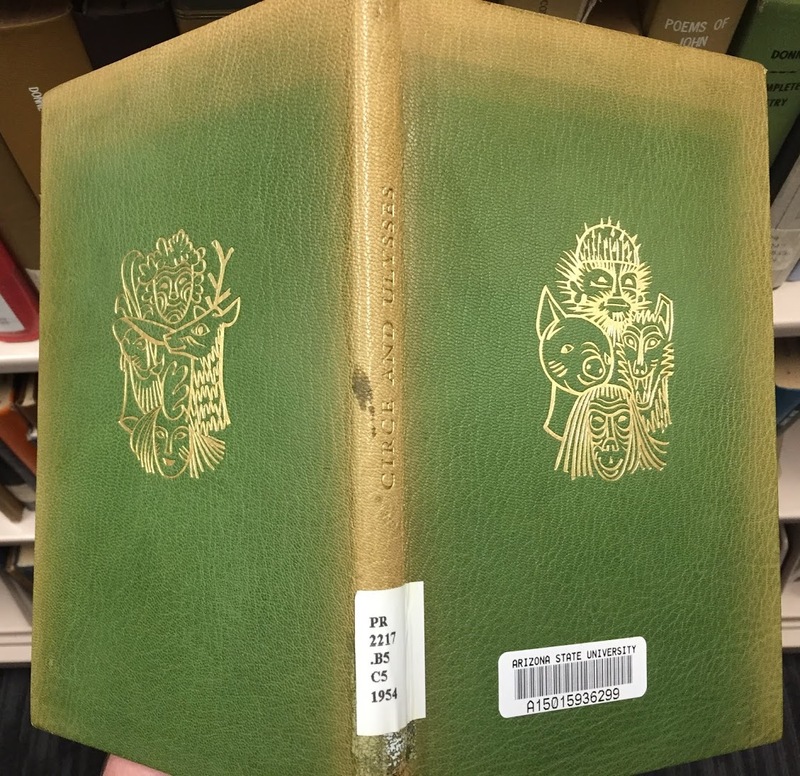
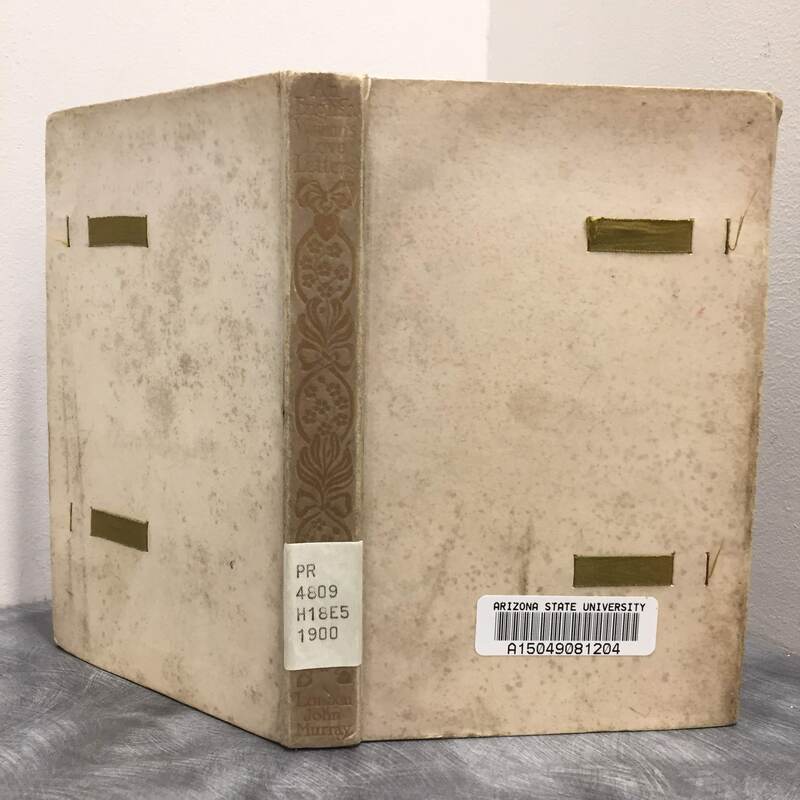
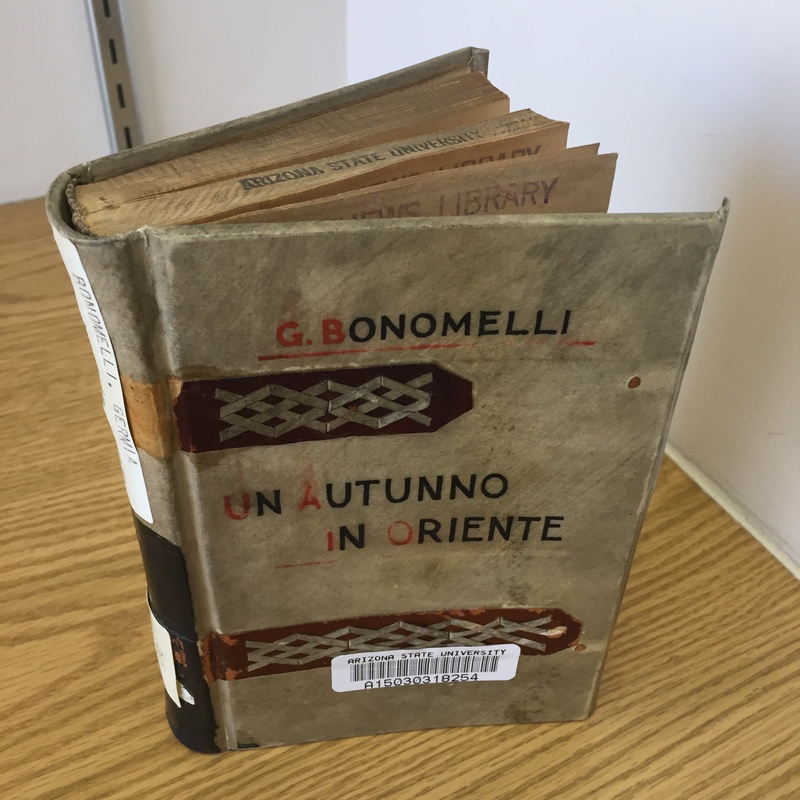
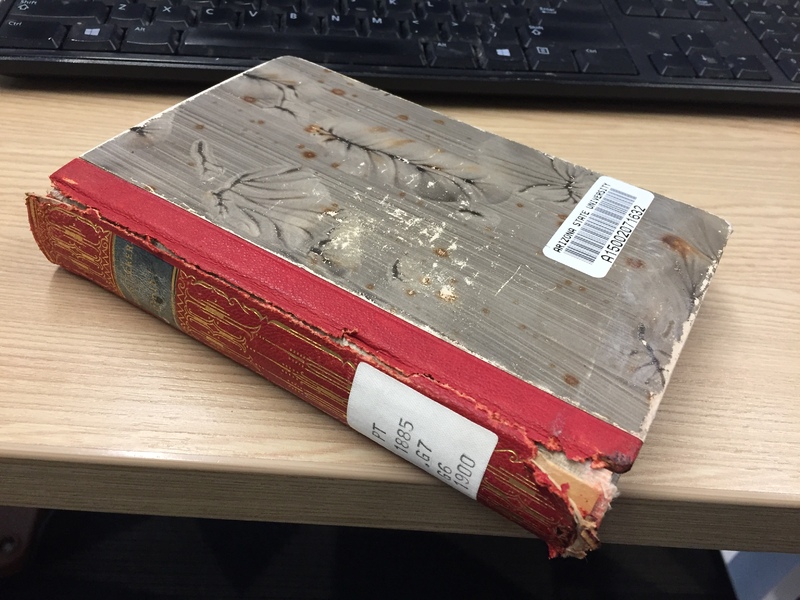
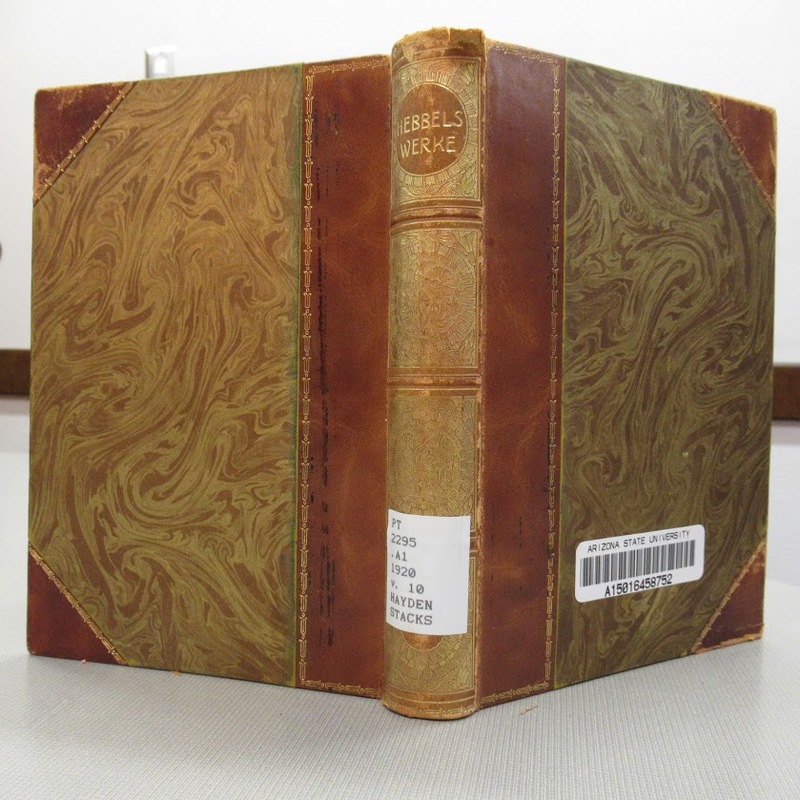
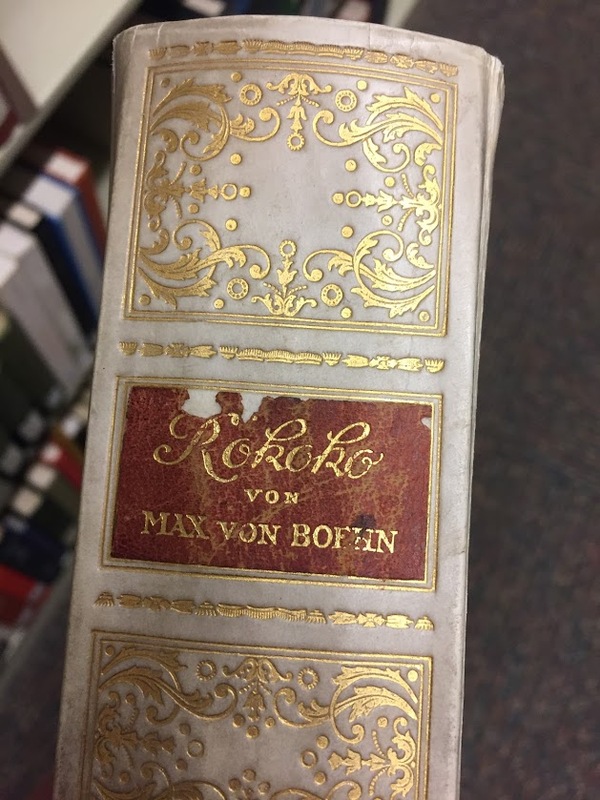
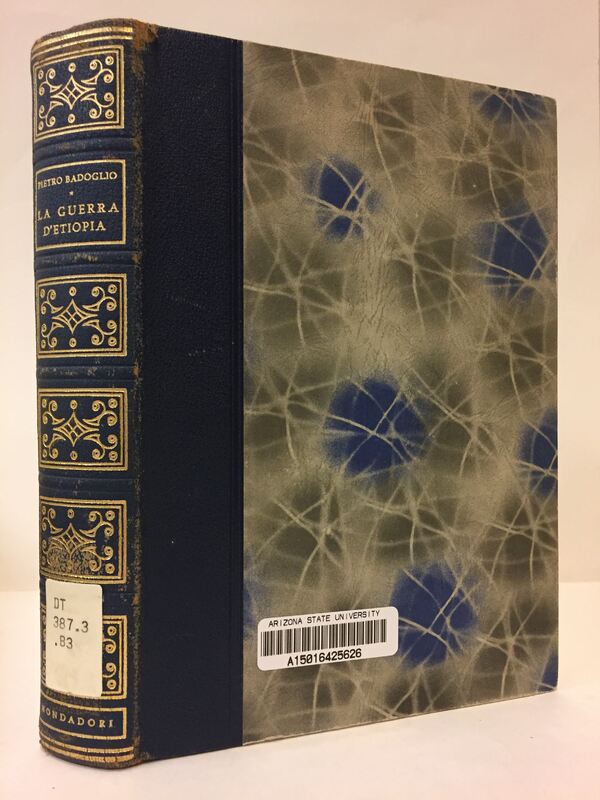
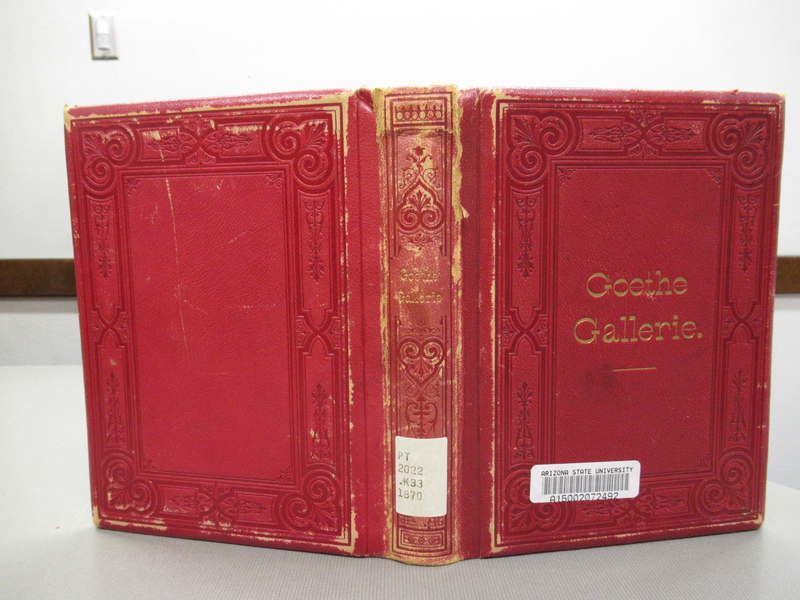
The bindings featured below were not necessarily custom or unique bindings, but were designed to look like them and offered for sale by the publisher at a higher cost than the "regular" edition. These are from the 19th through 20th centuries, and while some were still the product of hand binding, they were created en masse as an edition of multiple identical bindings of the same work. The bindings shown in this group could be described as "deluxe" or "extra" editions - they cost more than the cloth, paper, or otherwise "standard" edition of the same work, and may have been part of a limited edition as noted in the colophon or elsewhere in the front matter of the book.
These may still have had some note or mark of the binder, as the work might have been done by a bindery who had a contract with the publisher to create these special editions in limited quantity. Sometimes, the author of the work also contributed to the design (if not the actual binding work) of the binding.
Sometimes it can be difficult to tell if a book is a custom - or early trade - binding, or part of a deluxe edition - but one way to find out is by searching on bookseller's websites (such as Abebooks, or even Ebay) for a title. If you can find images of other copies of the same work in hand that look just the same, then it's most likely an indication that it was an edition binding, not a custom binding.
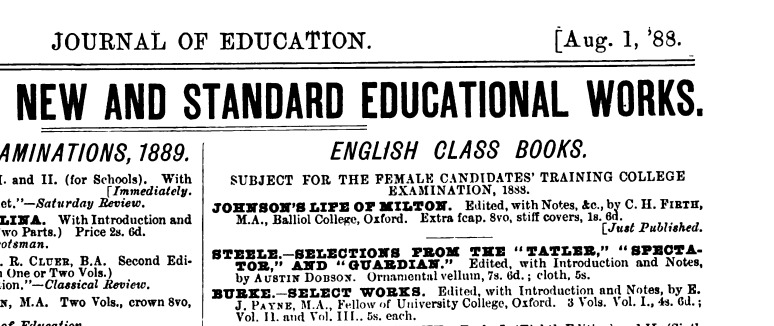
Advertisement for "Selections from the Tatler, Spectator and Guardian" showing the different variations offered for sale
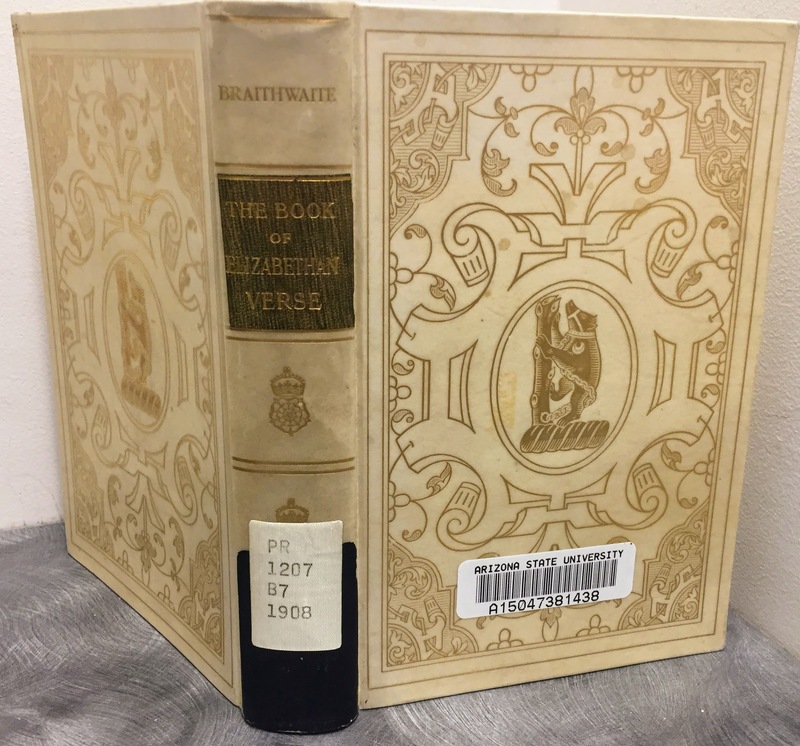
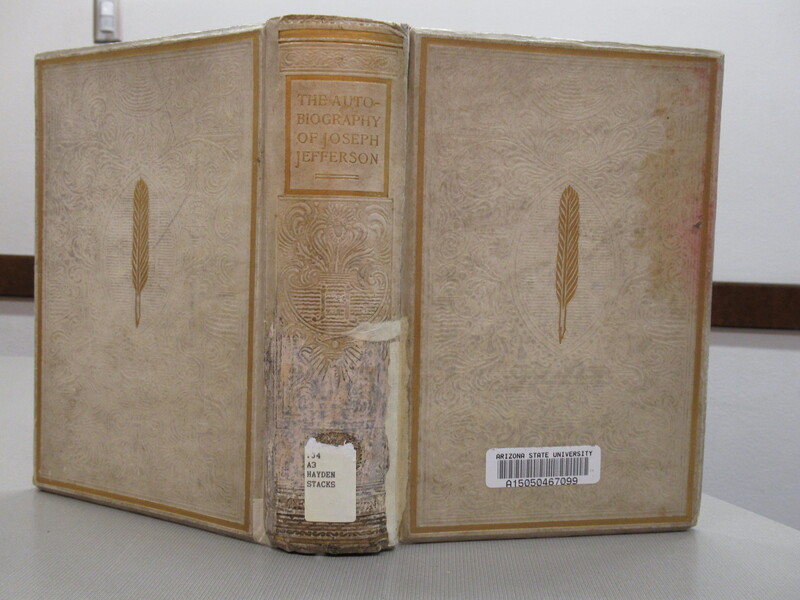
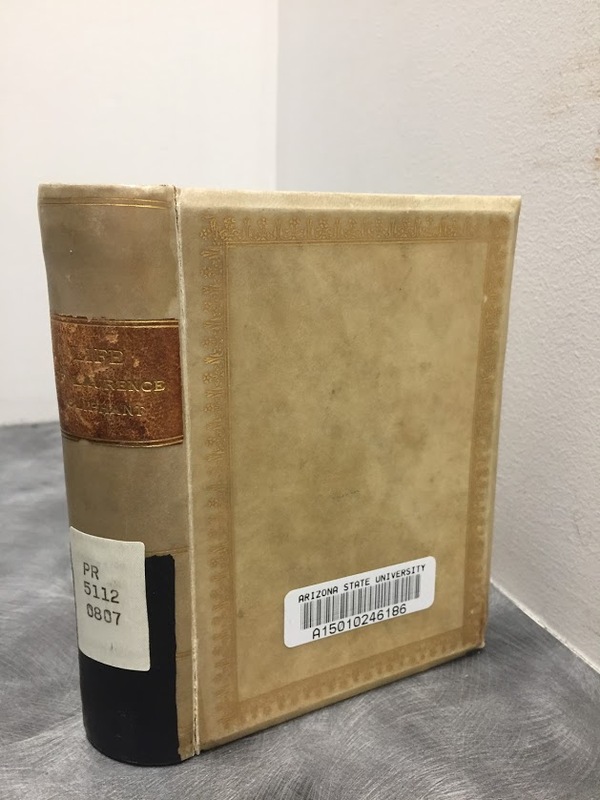


Limited editions