Items
-
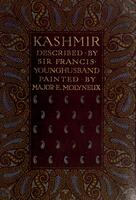 Kashmir CS
 -
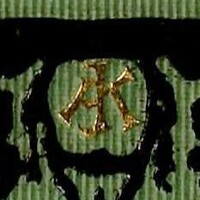
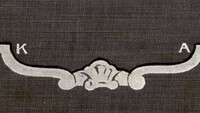 Karl Anderson Karl Anderson signed his book cover work with a KA monogram.
 -
 K in a circle This may actually represent one or more designers.
 -
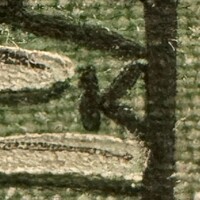 K (Unidentified designer) It's possible that some of these were designed by Frank Richmond Kimbrough, but at the moment there is no supporting documentation to confirm it.
 -
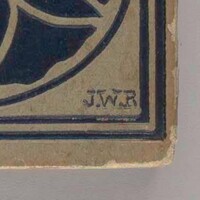 Julia Ward Richards Julia Ward Richards signed her work with a JWR monogram; after she married, she used a JWS monogram.
 -
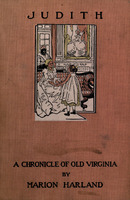 Judith : a chronicle of old Virginia Unsigned
 -
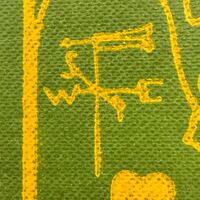 Joseph Walter West Weathervane design with WEST
 -
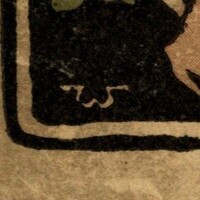 John Scott Williams In 1906, Clara Elsene Peck Peck married British-born illustrator John Scott Williams (1877–1975)...Peck and Williams shared similar styles, leading the two to occasionally collaborate on illustrations together. These works were signed with the first initials of their last names, "P W". Some of Peck's works are also credited as Clara Elsene Williams and the press sometimes referred to her as "Mrs. John Scott Williams". (From Wikipedia Article about Clara Elsene Peck)
 -
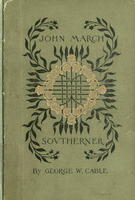
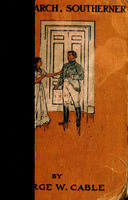 John March, Southerner Unsigned
 -
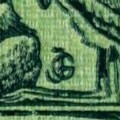
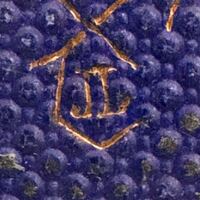
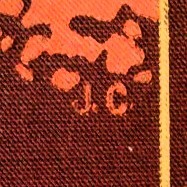
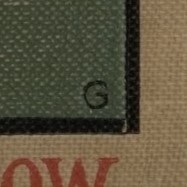 John Goss John Goss's monogram on his book cover designs was a sans-serif G, with the bar extending inward into the counter. On his illustrations and only a few covers, he also used a monogram that consisted of a G intersected by a J.
 -
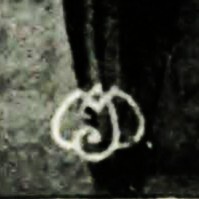
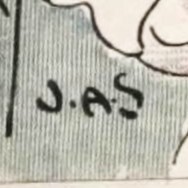
 John F. Earhart (tentative) Could this be John F. Earhart? The monogram used is the word EAR inside of a heart, after all! He is also referenced in the photographic credits of the one book associated with this monogram.
 -
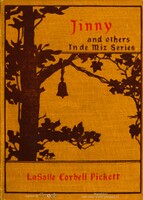 Jinny MM
 -
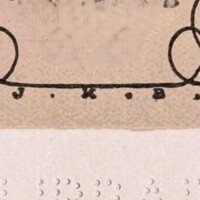
 JHB (Unknown Designer) A book designer who used the monogram JHB to sign their work.
 -
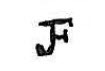 JF (Unidentified designer) Possibly: James Fairman
 -
 Jennie Baxter Journalist S in box
 -
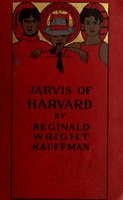 Jarvis of Harvard A in box
 -
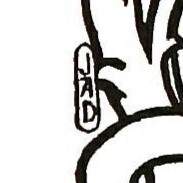 James Allan Duncan Originally from Glasgow, Duncan relocated to London sometime in 1899 or so. Not much is known of him in the literature, but he seems to have been primarily a designer for books and greeting cards.
 -
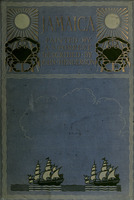 Jamaica CS
 -
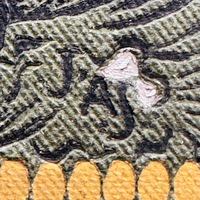
 JA A yet to be identified designer who signed their book cover designs with a JA monogram.
 -
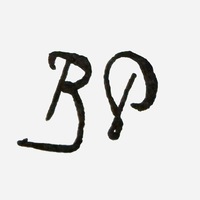 J. Bernard Partridge Partridge was the principal cartoonist for Punch magazine. He was primarily an illustrator, but some of his illustrations were used as the basis of the cover designs of the books he illustrated.
 -
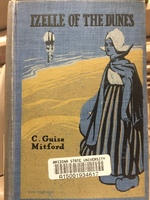 Izelle of the dunes Chas. E Dawson
 -
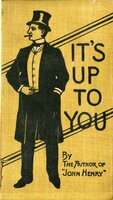 It's up to you GEB
 -
 Islam and Christianity A with dot underneath
 -
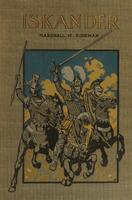 Iskander AP
 -
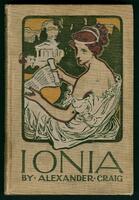 Ionia Unsigned
 -
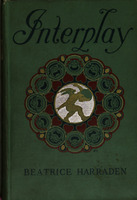 Interplay GwH
 -
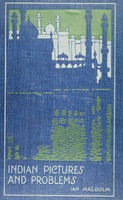 Indian pictures and problems NA in box
 -
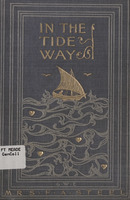 In the tideway GWE
 -
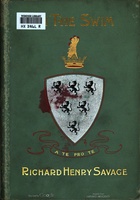 In the swim Seahorse
 -
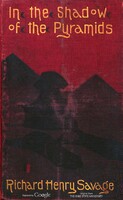 In the shadow of the pyramids seahorse
 -
 In the Shadow of the Purple Chas E. Dawson
 -
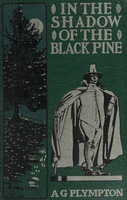 In the shadow of the black pine Crocker
 -
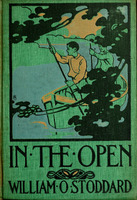 In the open RR
 -
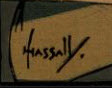
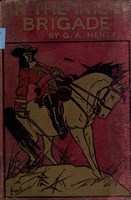 In the Irish brigade Hassall
 -
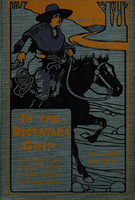 In the dictator's grip A in triangle
 -
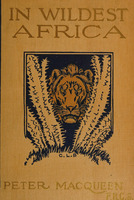
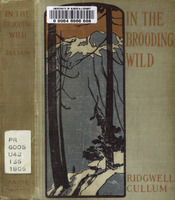 In The Brooding Wild Signed CLB
 -
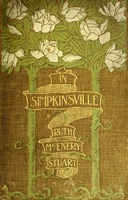 In Simpkinsville; character tales Unsigned







































4251–4500 of 6661