Items
-
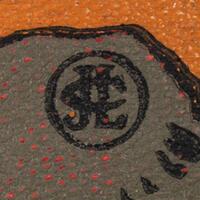
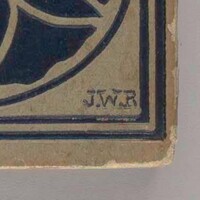 Julia Ward Richards Julia Ward Richards signed her work with a JWR monogram; after she married, she used a JWS monogram.
-
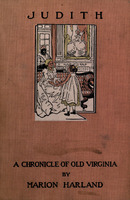 Judith : a chronicle of old Virginia Unsigned
-
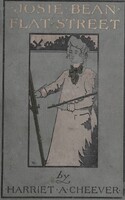 Josie Bean: Flat street AR conjoined with dot on the side
-
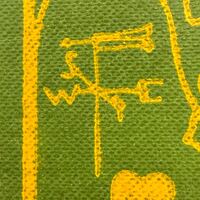 Joseph Walter West Weathervane design with WEST
-
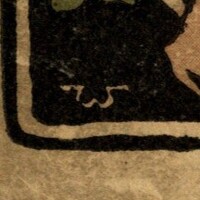 John Scott Williams In 1906, Clara Elsene Peck Peck married British-born illustrator John Scott Williams (1877–1975)...Peck and Williams shared similar styles, leading the two to occasionally collaborate on illustrations together. These works were signed with the first initials of their last names, "P W". Some of Peck's works are also credited as Clara Elsene Williams and the press sometimes referred to her as "Mrs. John Scott Williams". (From Wikipedia Article about Clara Elsene Peck)
-
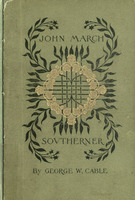
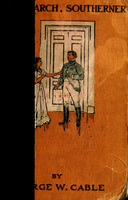 John March, Southerner Unsigned
-
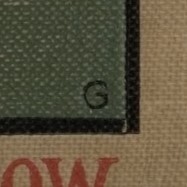 John Goss John Goss's monogram on his book cover designs was a sans-serif G, with the bar extending inward into the counter. On his illustrations and only a few covers, he also used a monogram that consisted of a G intersected by a J.
-
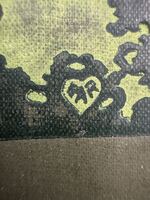 John F. Earhart (tentative) Could this be John F. Earhart? The monogram used is the word EAR inside of a heart, after all! He is also referenced in the photographic credits of the one book associated with this monogram.
-
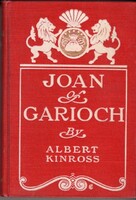 Joan of Garioch C-box-X
-
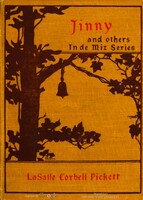 Jinny MM
-
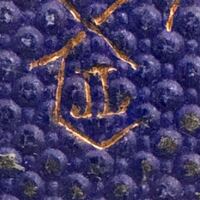
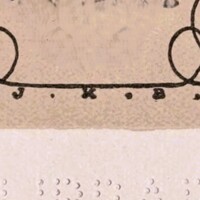
 JHB (Unknown Designer) A book designer who used the monogram JHB to sign their work.
-
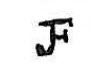 JF (Unidentified designer) Possibly: James Fairman
-
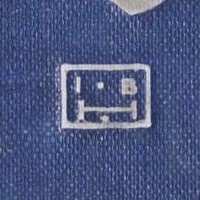
 Jennie Baxter Journalist S in box
-
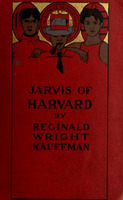 Jarvis of Harvard A in box
-
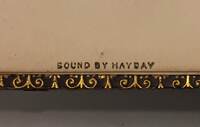 James Hayday HAYDAY, JAMES (1796–1872), book-binder, born in London in 1796, served his time with Charles Marchant, vellum-binder, 12 Gloucester Street, Queen Square, and then for some time worked as a journeyman. In 1825 he became one of the auditors of the Journeymen Bookbinders' Trade Society. He commenced business in a very humble way. In 1833 he rented premises at 31 Little Queen Street, Lincoln's Inn Fields, where he continued until his retirement in 1861. Hayday had long seen that it was desirable to make printed books open freely and lie flat; his attention is believed to have been drawn to this matter by seeing Bagster's polyglot bibles, which were bound by Joseph Welsh of 10 Queen Street, Golden Square, in what was known as ‘Bagster's Renowned Binding.’ These books were made flexible, and covered with purple pin-headed sealskin with a blind tool ornament. In his own binding he sewed the books all along every sheet, and to remedy the extra thickness that would be caused by sewing with thread, used silk, and to equalise the thickness rounded the fore edges more than was customary. To make the back tight he dispensed with the ordinary backing of paper, and fastened the leather cover down to the back. Still the constant opening of the book disfigured the grain of the leather, and to obviate this he introduced the cross or pin-headed grain, or what is now termed Turkey morocco. Works bound by Hayday became famous, and his name attached to a book raised its value twenty-five per cent. Edward Gardner of the Oxford Warehouse, 7 Paternoster Row, secured Hayday's services for the Oxford books exclusively. William Pickering, bookseller, of 57 Chancery Lane, gave him the benefit of his long experience, and introduced him to many wealthy patrons. After entering into a brief partnership with Mr. Boyce, ‘a finisher,’ he again started on his own account at 31 Little Queen Street. Unable to compete with other and cheaper binders, he was adjudicated a bankrupt on 10 June 1861. He sold the use of his name to William Mansell, who succeeded to the bookbinding establishment. Retiring to St. Leonard's-on-Sea, Hayday died there on 19 March 1872, aged 76.
-
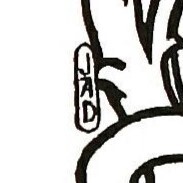 James Allan Duncan Originally from Glasgow, Duncan relocated to London sometime in 1899 or so. Not much is known of him in the literature, but he seems to have been primarily a designer for books and greeting cards.
-
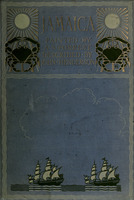 Jamaica CS
-
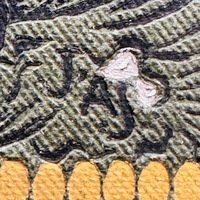
 JA A yet to be identified designer who signed their book cover designs with a JA monogram.
-
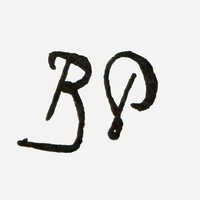 J. Bernard Partridge Partridge was the principal cartoonist for Punch magazine. He was primarily an illustrator, but some of his illustrations were used as the basis of the cover designs of the books he illustrated.
-
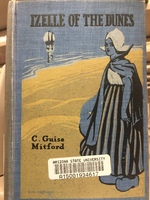 Izelle of the dunes Chas. E Dawson
-
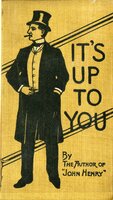 It's up to you GEB
-
 Islam and Christianity A with dot underneath
-
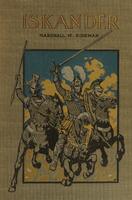 Iskander AP
-
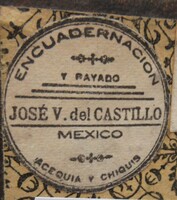
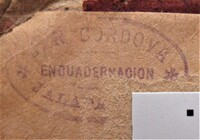
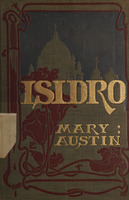
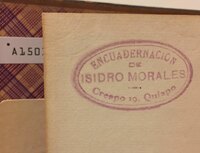 Isidro Morales A bookbinder who worked in the Quiapo district of the city of Manila, in the Philippines.
-
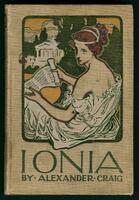 Ionia Unsigned
-
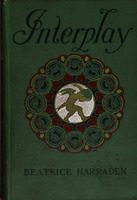 Interplay GwH
-
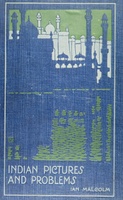 Indian pictures and problems NA in box
-
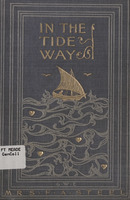 In the tideway GWE
-
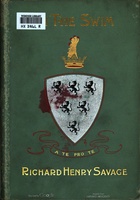 In the swim Seahorse
-
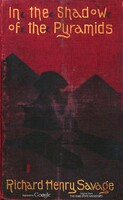 In the shadow of the pyramids seahorse
-
 In the Shadow of the Purple Chas E. Dawson
-
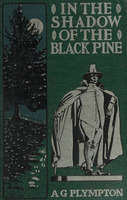 In the shadow of the black pine Crocker
-
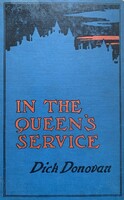 In the Queen's Service W in box
-
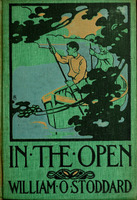 In the open RR
-
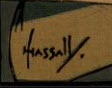
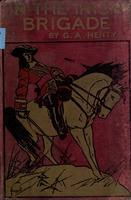 In the Irish brigade Hassall
-
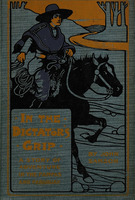 In the dictator's grip A in triangle
-
 In the cause of freedom AR conjoined
-
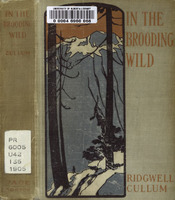 In The Brooding Wild Signed CLB
-
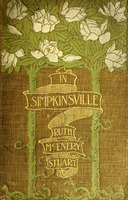 In Simpkinsville; character tales Unsigned































4501–4750 of 7033