Items
-
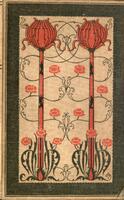 Baldy's Point A (with dot underneath)
-
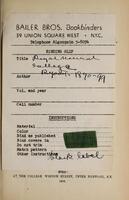 Bailer Bros. Bailer Bros. was a large bookbindery firm located in Union Square, in New York City, during the 20th century.
-
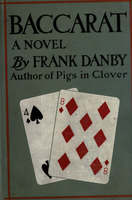 Baccarat H
-
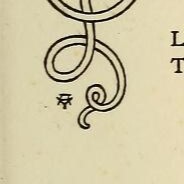 Aymer Vallance Aymer Vallance's monogram was identified from the initials designed by him for the work he authored on William Morris, "The Art of William Morris" published by George Bell and Sons in 1897.
-
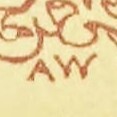
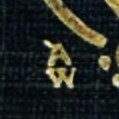 AW (stacked) This designer seemed to do some covers for John Long.
-
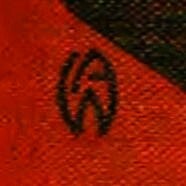 AW (Conjoined) A yet to be identified designer who used a monogram that resembles a rounded arrowhead, similar in shape to the Star Trek communicator badge. The actual letters used are an A and W, which are conjoined into one shape.
-
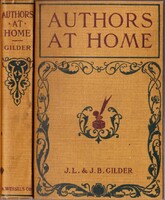 Authors at Home HEF
-
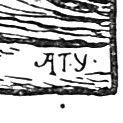 Austin Young Young was not very prolific - only one cover design of his has been identified, and he also only illustrated a couple of books. Very little is known about him. He is presumed to be British due to his work only appearing in books by London publishers.
-
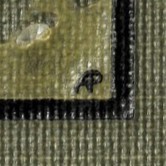 August Petrtyl August Petrtyl signed his designs with either an AP or P monogram.
-
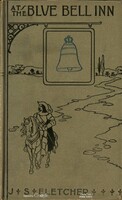 At the Blue Bell inn seahorse
-
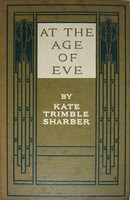 At the Age of Eve C with crown
-
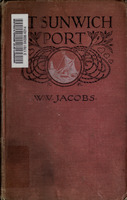
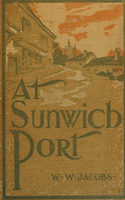
 At Sunwich port CMW
-
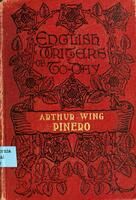 Arthur Wing Pinero, playwright Fancy AH? FCA?
-
 Arthur W. Rushmore Arthur W. Rushmore was a book designer who also was the director of design and manufacture at Harper and Brothers for many years. He signed his cover designs and other illustrations with either a small "R" or "AWR" monogram.
-
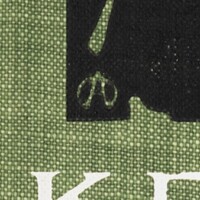 Arthur Sinclair Covey A in circle
-
 Arthur Rackham Arthur Rackham was an English book illustrator. He is recognised as one of the leading figures during the Golden Age of British book illustration.
-
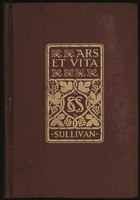 Ars et vita, and other stories AR conjoined
-
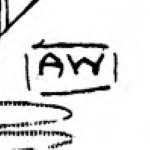 Archibald Webb Not to be confused with Archibald Bertram Webb (1887-1944) who signed his work A.B. Webb.
-
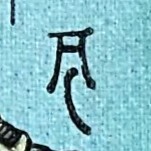 Archibald Chasemore A cartoonist known primarily for the cartoons he did for Judy (1875-1889) and Punch (1868-1879).
-
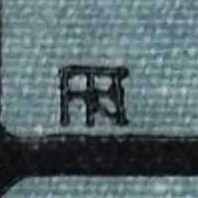 AR (blocky, with line through it) This does not seem the be the monogram used by either Amy Rand or Amy Richards. The designer who used this monogram did covers for Boston publishers Dana Estes, Little Brown, and L.C. Page and Company.
-
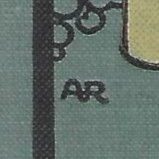 AR A monogram used by an American designer who did several covers for the American Book Company, but also a few for some other American publishers. The monogram they used was different than that used by Amy Rand or Amy Richards. The letters are often separated, and have a round quality to them, with no serifs.
-
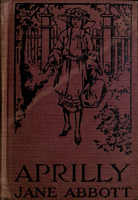 Aprilly DD
-
 Antonio DD
-
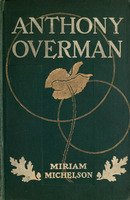 Anthony Overman Unsigned
-
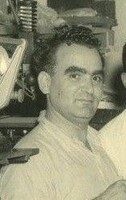 Angel Ureña Angel Ureña was a 20th century Dominican bookbinder who ran the "Benefactor" bindery and bookbinding school in the city now known as Santo Domingo.
-
 Anecdotes of animals CHD?
-
 Andy Barr H with E inside
-
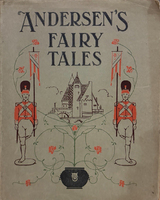 Andersens Fairy Tales Retold in One-Syllable Worlds SH intersecting
-
 An Unwise Virgin A inside of G
-
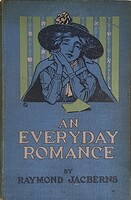 An Everyday Romance NA in box
-
 An Englishwoman's love-letters "Limp" vellum with yapp edges and green silk ties and gold stamping on spine. Was actually written by Laurence Housman. Binding also designed by Housman.
-
 An English Village W with serifs
-
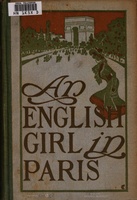 An English girl in Paris M inside C
-
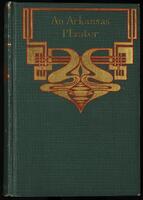 An Arkansas Planter seahorse
-
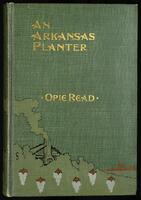 An Arkansas Planter seahorse
-
 An Altruist HBM
-
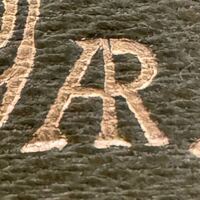 Amy Richards Amy Richards signed her books with an AR monogram. The leg of the A is slanted, unlike the similar monogram used by Amy Rand, which is more squared off.
-
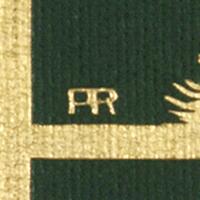 Amy Carol Rand Amy's monogram could take on a few different styles.
-
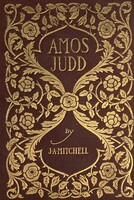 Amos Judd AR
-
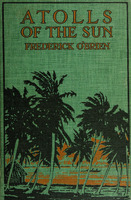
 Among the palms EWC
-
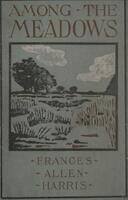 Among the meadows : a novel G (sans serif with long bar)
-
 Amber glints seahorse
























































6251–6500 of 7033